

Before starting to learn drums, many beginners underestimate how technical the instrument actually is. Drumming is not only about rhythm, but also about body positioning, movement efficiency, and timing control. Building the right foundation early makes a big difference in how fast and how well you progress.
1. Consistency Over Speed

When learning drums, progress comes from repeated, controlled movements rather than playing fast. Muscle memory develops through consistent practice at slower tempos, where timing and coordination can be properly controlled. Rushing into speed often leads to uneven strokes, poor balance between hands and feet, and timing issues that become difficult to fix later.
2. Proper Drum Setup and Stick Control
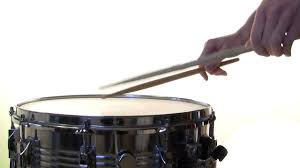
A correct drum setup allows the body to move naturally and reduces unnecessary tension. Sitting at the right height helps maintain balance, while proper snare and pedal placement supports efficient hand and foot movement. A relaxed stick grip is equally important, it allows the stick to rebound off the drumhead, improving control, endurance, and dynamic consistency while reducing the risk of strain or injury.
3. Hand and Foot Coordination Basics

Before playing full grooves or fills, beginners need to learn how hands and feet work independently. Simple coordination exercises help train the brain to separate movements without tension. This prevents common issues like speeding up unintentionally or losing balance between kick, snare, and hi-hat.
Why Beginner Drum Lessons Help?
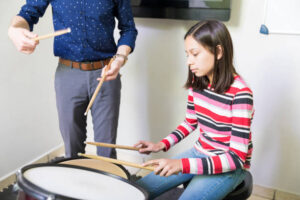
Beginner drum lessons help students understand what to fix and when to fix it. Instead of repeating the same mistakes without realizing it, beginners get direct feedback on posture, grip tension, stroke consistency, and balance between hands and feet. Small corrections early on prevent bigger technical problems later.
Lessons also provide a clear learning sequence. Beginners don’t jump randomly between songs and exercises, but learn skills in the right order—starting with control, then coordination, and finally application to grooves and fills. This makes practice more efficient and progress easier to measure.
With guided practice plans and regular adjustments, beginner drum lessons reduce confusion and frustration. For students taking drum lessons in Singapore, this structured approach helps build confidence, cleaner technique, and steady improvement without feeling overwhelmed.